

Social Media Is Not Marketing: Why Small Businesses Need a Real Strategy
Let’s go ahead and say the quiet part out loud. Social media is not marketing.
There. I said it. 🫣
Now before anyone throws their ring light at me, let me be clear. Social media matters - to some waaay more than others. It can build visibility, support your brand, strengthen relationships, drive traffic, and help people get familiar with your business.
But on its own? If that’s the only thing you’re really doing? Social media is not a full marketing strategy. And too many small businesses are treating it like it is.
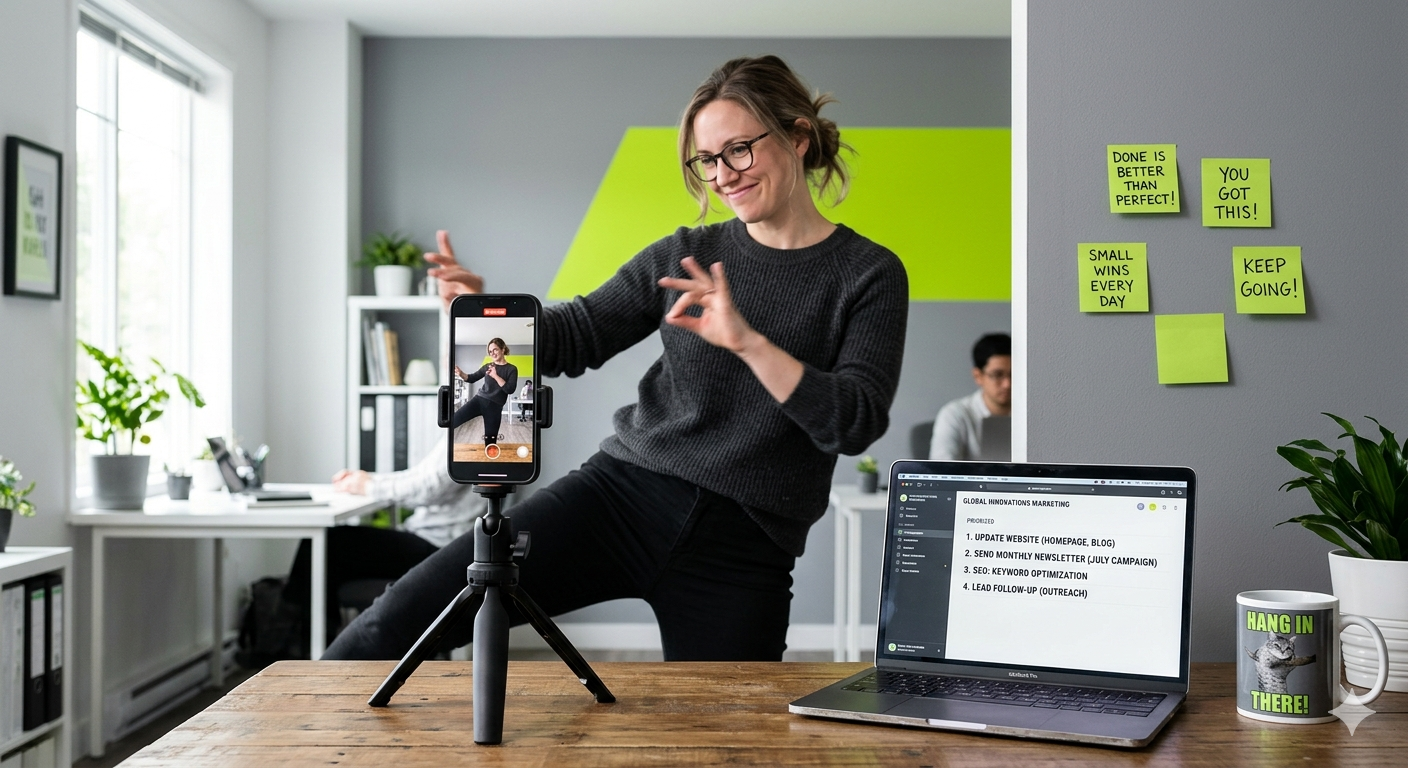
Showing up online matters, but if your website, email list, SEO, and follow-up are sitting untouched, the dance is not the problem. The strategy is.
Posting three times a week, sharing a trending audio clip, throwing something on Instagram Stories, making a TikTok with your staff, or boosting a post now and then does not mean your marketing is handled.
That is activity.
That is content.
But it’s not the whole strategy.
The Problem: Social Media Feels Like Marketing
This is where a lot of small businesses get stuck.
Social media feels like marketing because it‘s public. It’s fast. It gives you something to point to. You can say, “Hey, we posted today.” You can see likes, views, comments, and shares. There is movement - especially if you have a loyal friend group.
But movement is not always progress. And those friend’s comments aren’t turning into $$.
Behind the scenes, there’s often no real lead generation system. No website strategy. No email nurture. No local SEO plan. No clear offer. No follow-up process. No simple path from “I saw your post” to “I want to work with you.”
That’s the difference.
Social media can create attention, but marketing turns that attention into trust, action, and revenue. Unless you’re one of the lucky few to go viral and stay viral…until you’re not.
Real Marketing Is Bigger Than Social Media
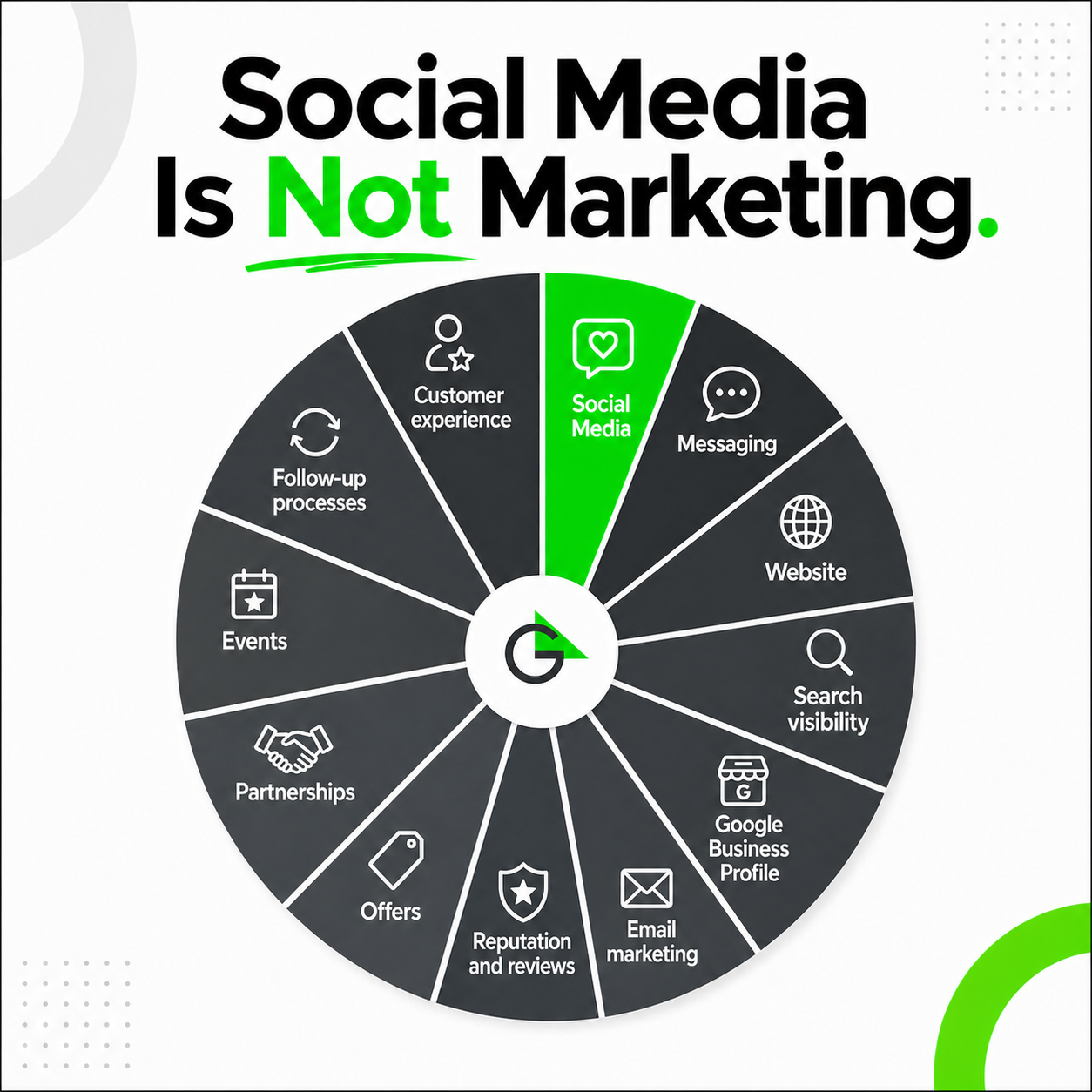
Marketing is the full system that helps people find you, understand what you do, trust that you can help them with whatever need they have, and decide to buy.
It includes your:
✅Messaging
✅Website
✅Search visibility
✅Google Business Profile
✅Email marketing
✅Reputation and reviews
✅Offers
✅Partnerships
✅Events
✅Follow-up processes
✅Customer experience
And yes, ✅social media, too
Social media is one slice of the pie.
An important slice for many businesses, absolutely. I mean, what would we do without @NZ.cheap.cars on TikTok?!
But still just a slice. That’s not all they’re doing to market their cars.
Ask Yourself This
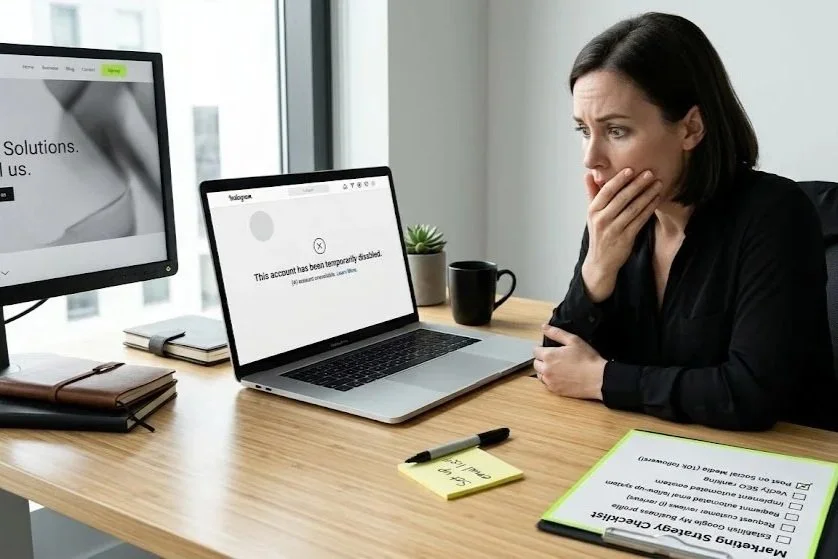
What if you woke up tomorrow and social media had been canceled? Will your business survive?
If your business disappeared from Instagram tomorrow, would people still know how to find you?
Would your website convert visitors into inquiries?
Would your Google presence work for you?
Would you still have and be growing an email list?
Would your brand still feel clear, credible, and easy to understand?
Would people have an obvious next step if they wanted to work with you?
If the answer is no to any of this, social media has been carrying too much of the load.
Likes Are Nice. Revenue is Better.
This is especially important for small businesses because social media can become a trap.
It is easy to confuse being popular or creative on social with being being strategic.
You can spend hours upon hours creating fun content (some of us have a hard time focusing) and still have no actual marketing foundation underneath it.
❌You might be getting likes but not leads.
❌Views but not inquiries.
❌Followers but not sales.
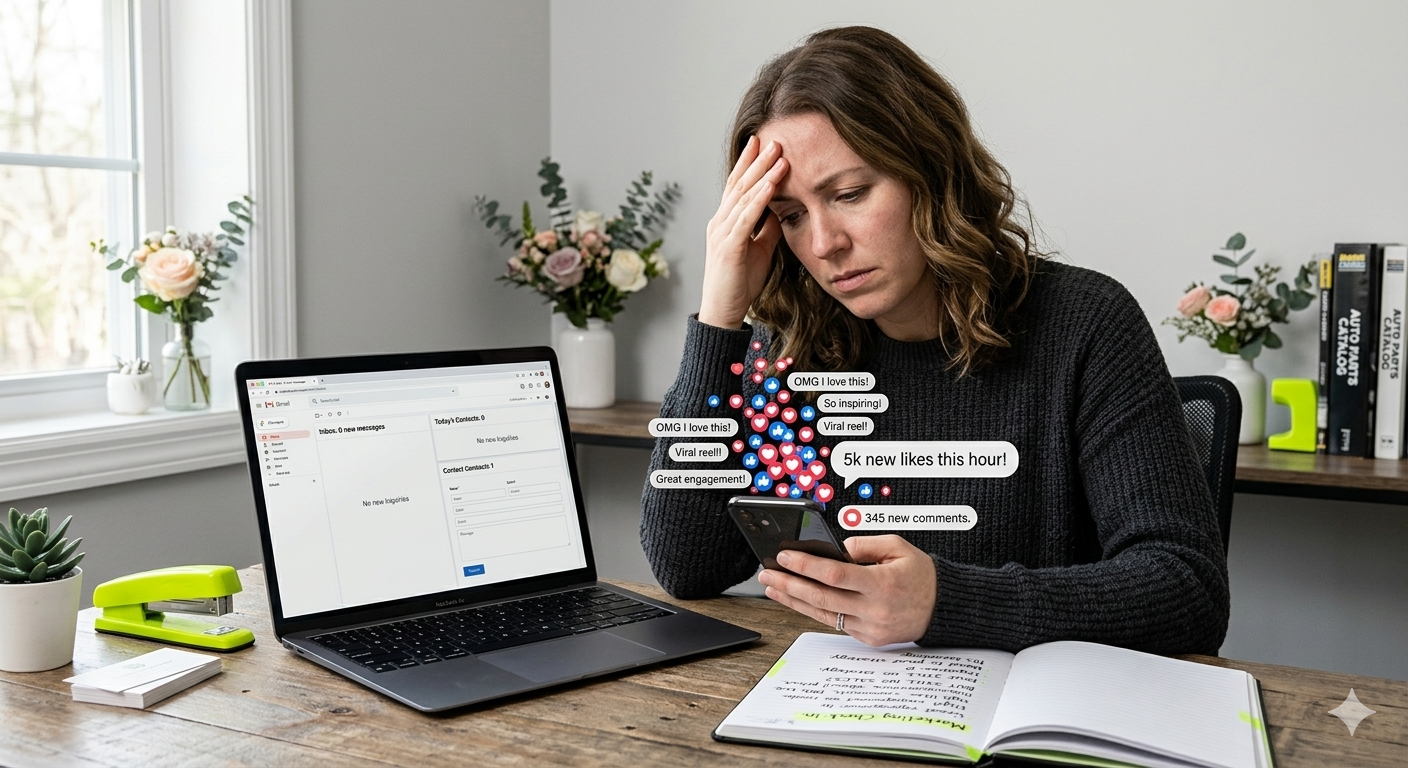
You can’t rely on comments and likes alone to sustain your sales pipeline.
And that does not mean social media is bad. It means social media was never meant to do everything by itself - and it wasn’t here first.
But if there is no clear offer, no useful website, no search presence, no email follow-up, and no conversion path, all that attention can disappear as quickly as it arrived.
Fun? Sure Strategic? Not always.
Profitable? Not unless it connects to the bigger picture or you have that amazing viral product everyone wants.
Strong and Sustainable Marketing Has Layers
Strong marketing does not rely on one platform, one algorithm, or one viral post.
It has layers, working together in a system.
First, it starts with a clear message.
What do you do? Who do you help? Why should someone choose you? What problem do you solve? What makes your business worth paying attention to other than your lip syncing skills?
If your message is vague, your marketing will be vague.
Then, you need a place to send people.
Usually (hopefully), that’s your website. And your website has to do more than just exist. It needs to clearly explain your services, build trust quickly, answer common questions, and make the next step obvious.
No one should have to play detective to figure out how to work with you. And a simple one page website is fine, as long as its done well.
Then, you need to be findable.
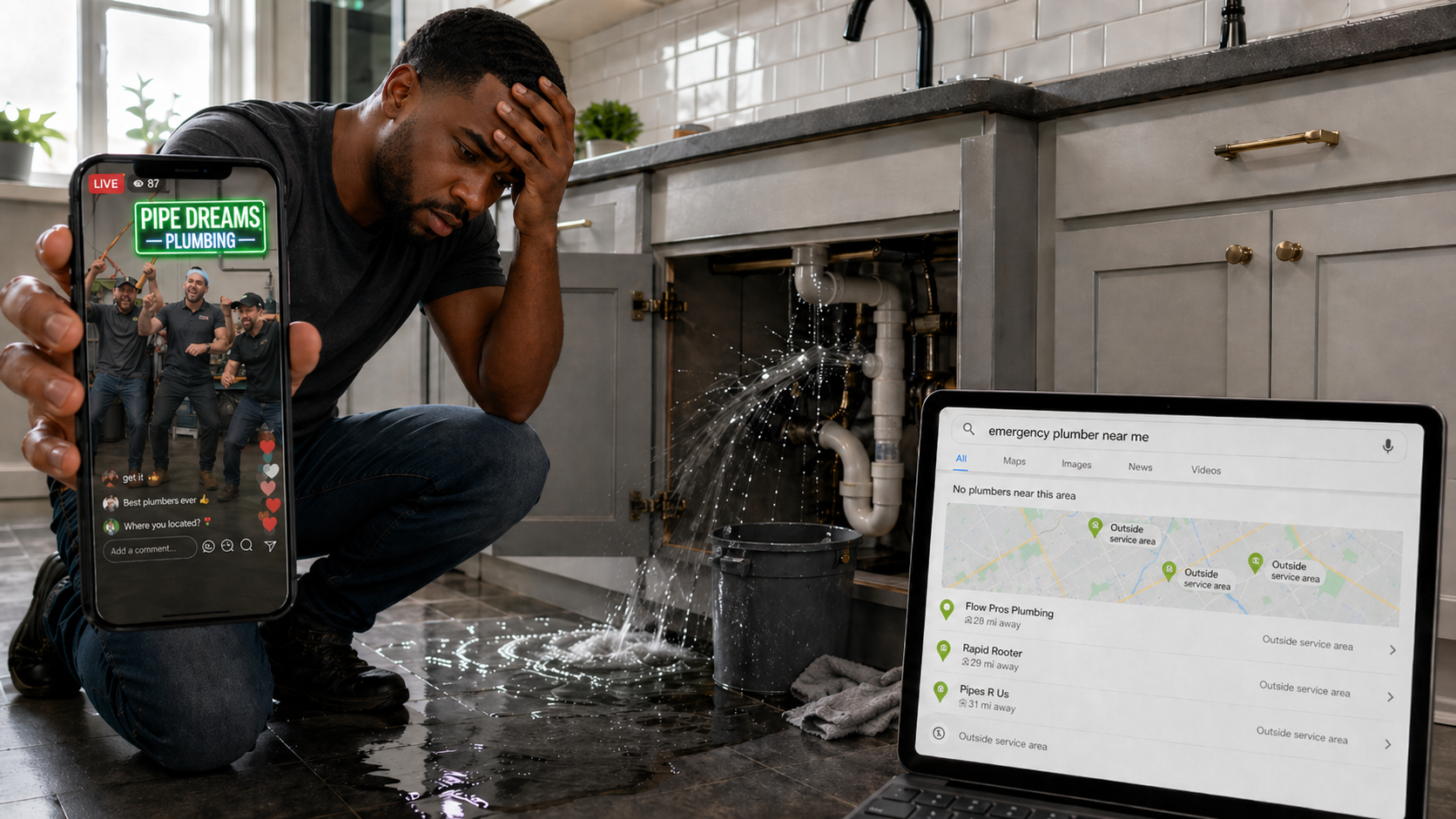
Can people find you on Google, Bing, Yahoo - or whatever search engine they’re using? Is your Google Business Profile accurate and complete? Are your services clearly described? Are you showing up when someone is actively searching for what you offer, not just when they happen to scroll by your post?
That really matters.
Because social media often reaches people when they’re browsing or doom scrolling (just admit you do it, too) and not in the buying mindset.
Search reaches people when they are looking for what you’re offering. Period.
Different intent. Different opportunity.
Marketing is Relationships
Good marketing also builds and maintains relationships.
This includes email marketing, referrals, partnerships, events, customer follow-up, repeat touchpoints, and useful content that educates instead of just fills space (like this very useful blog).
This is where a lot of businesses miss the opportunity.
They work hard to get attention, but they do not have a system to keep the relationship going.
That’s where email comes in.
That’s where helpful blog content comes in.
That is where your clear and informational website comes in.
That is where events, partnerships, and referral strategy come in.
That is where the actual business growth happens.
Social Media Should Support the Plan
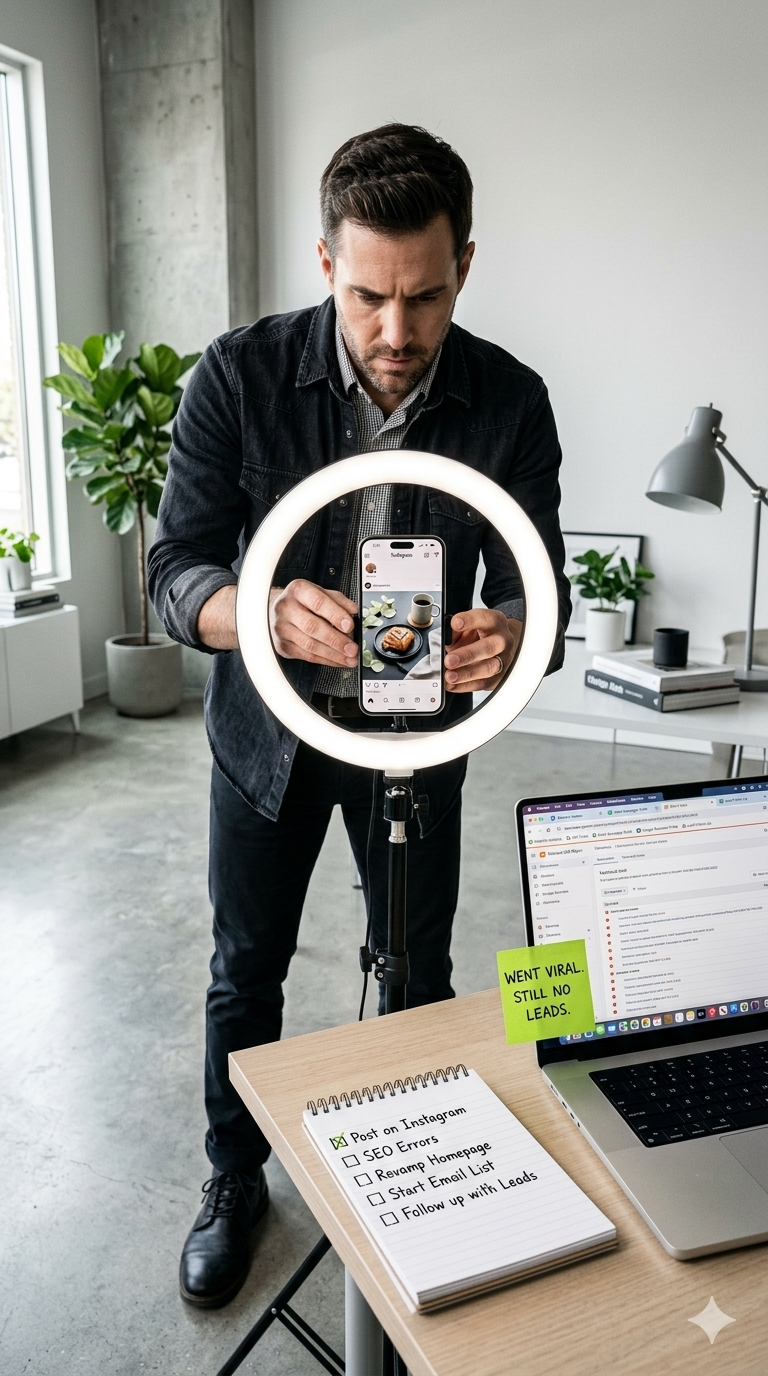
Social media should not be your entire marketing plan. Even adding in a few more easy initiatives can give your business a boost.
Social media works best when it is connected to everything else.
✅It should support your message.
✅It should drive people to your website.
✅It should help promote your offers.
✅It should build familiarity between email touchpoints.
✅It should give people a reason to trust you before they ever book a call, fill out a form, or make a purchase.
✅It should amplify the strategy.
✅It should not be the whole strategy.
Your Permission Slip to Stop Feeding the Algorithm Every Five Minutes
If you are a small business owner feeling pressure to constantly post, here is your permission slip:
You do not need to build your entire marketing strategy around feeding social media every day. Multiple times a day.
You need a better system.
Because algorithms change. Trends change. Platforms change. Reach changes. What worked six months ago might not work next month.
Your business needs something more stable than that.
The Businesses That Grow Sustainably Are Not Always Posting the Most
The businesses that grow sustainably are usually not the ones doing the most on social media.
They are the ones with the clearest brand, the smartest visibility strategy, the strongest customer journey, and the best follow-through.
✅They know what they offer.
✅They know who they are talking to.
✅They know where their leads come from.
✅They have a website that works.
✅They show up in search.
✅They collect emails.
✅They follow up.
✅They make it easy for people to say yes.
Do they use social media? Of course. They just do not expect it to do the whole job.
So Yes, Post the Reel
Post the reel.
Share the behind-the-scenes. Post the amazing photos.
Show up on LinkedIn. Try the short-form video.
Tell the story. Dance the dance.
Be human. Be visible. Be consistent.
But please don’t mistake making content for strategy.
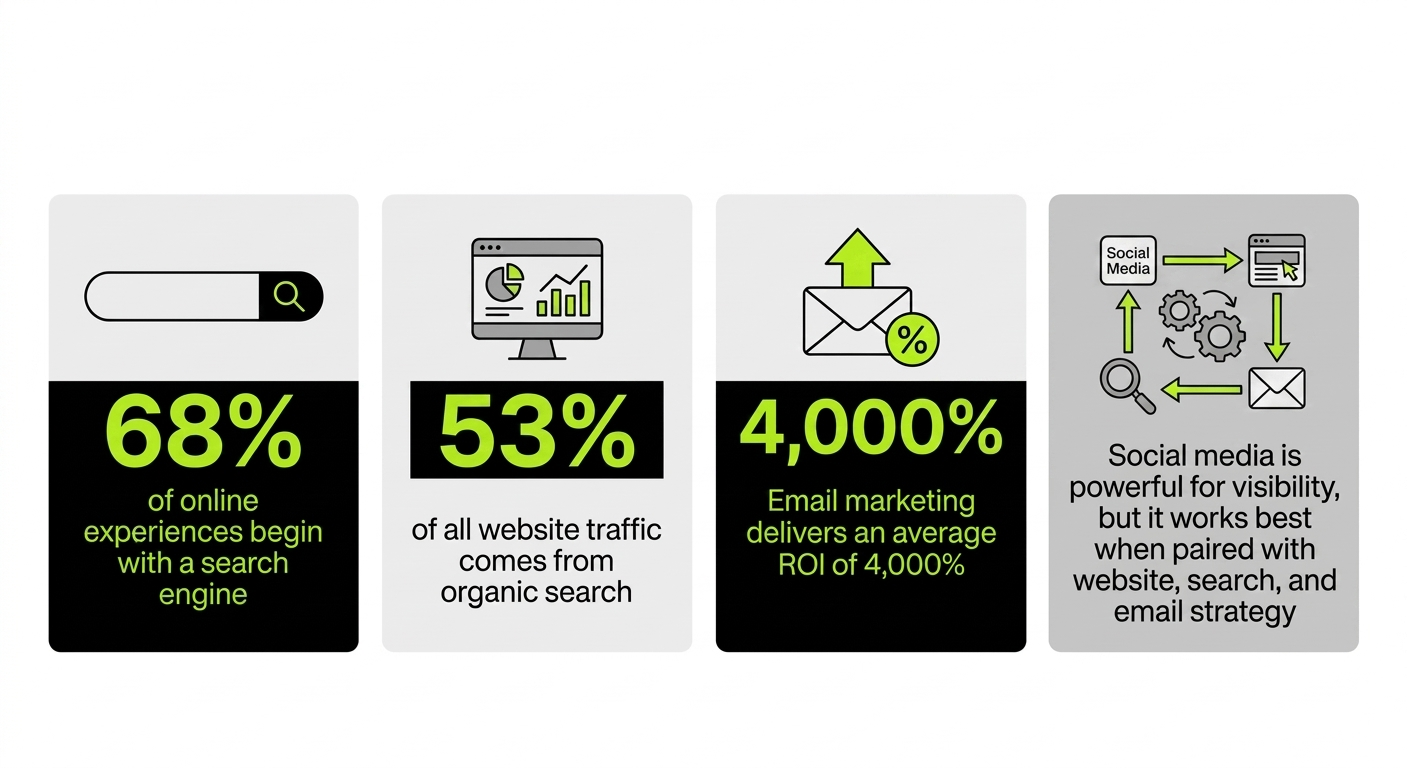
Social media is a tool. Marketing is the engine.
And if your engine is weak, no amount of posting is going to fix it.
The Bottom Line
At GenNext Event Solutions, we believe marketing should actually move your business forward, not just keep you busy.
Social media has a place. A good one. But it works best when it is part of a bigger, smarter plan built around visibility, trust, and conversion.
Because the goal is not to look marketed. The goal is to grow.
Not sure if your marketing is actually working, or if you are just posting into the void?
Start with a GenNext Visibility Check. We’ll look at your online presence, website, search visibility, messaging, and marketing gaps so you can stop guessing and start building a smarter system.
FAQs
Is social media considered marketing?
Yes, social media is part of marketing, but it is not the entire strategy. Social media can help with building brand awareness and engagement, but a complete marketing strategy also includes your website, SEO, email marketing, offers, lead generation, reputation, partnerships, and conversion process.
Why is social media not enough for small business marketing?
Social media isn’t enough because it relies heavily on algorithms, platform behavior, and short-term attention. Small businesses also need owned channels like a website, email list, Google Business Profile, and clear offers so they can turn visibility into leads and sales.
What should small businesses focus on besides social media?
Small businesses should focus on clear messaging, search visibility, a website that converts, email marketing, customer reviews, referral strategy, lead capture, and follow-up. Social media should support those pieces, not replace them.
How does social media fit into a marketing strategy?
Social media works best as an amplifier. It helps distribute your message, build familiarity, promote offers, share content, and keep your brand visible. It should connect back to your website, email list, services, events, products, or sales process.
What is a better marketing strategy for small businesses in 2026?
A better small business marketing strategy in 2026 combines search visibility, helpful content, email marketing, a strong website, clear brand messaging, short-form content, and a simple conversion path. The goal is to build a system that attracts, educates, and converts customers across multiple touchpoints.
